Paris, May 2026 – Ten years after its launch, Modulo Kinetic, the all-in-one media server platform developed by Modulo Pi, continues to evolve with Version 7. The version introduces new features while elevating performance across every stage of the workflow, from 3D study and mapping to real-time playback, interactivity and show control.
Designing the next generation of media server solutions, Modulo Pi is pleased to announce the immediate release of Modulo Kinetic Version 7.
Launched in 2016, Modulo Kinetic has established itself as a versatile media server solution, with hundreds of systems deployed worldwide and used across corporate events, live shows, projection mapping, immersive venues and theme parks.
With Version 7, Modulo Kinetic takes a new step forward, bringing substantial improvements across every stage of the workflow. By further integrating tools that are traditionally spread across multiple systems, the platform simplifies production pipelines while offering greater flexibility, performance and control to designers, integrators and operators.
Want to learn more?
Join us for our upcoming webinar dedicated to: 3D study & simulationJune 29 – 14:00 (Paris) | Français : Voir le Replay
July 2 – 14:00 (Paris) | English : Watch the Replay
Improved usability and 3D workflow experience
The user experience has been refined across the platform, with a focus on simplifying complex workflows and improving multi-screen operation. The Modulo Kinetic interface now features enhanced detachable window management, enabling more flexible workspace organization for multi-display setups.
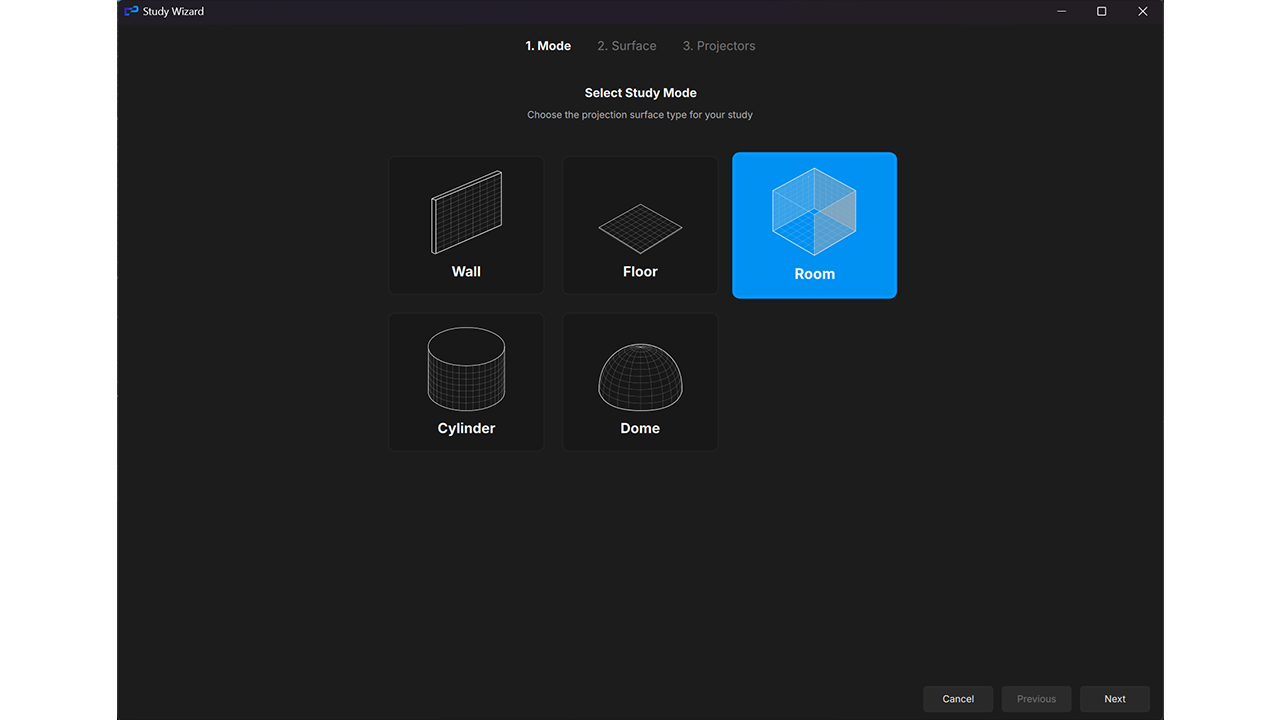
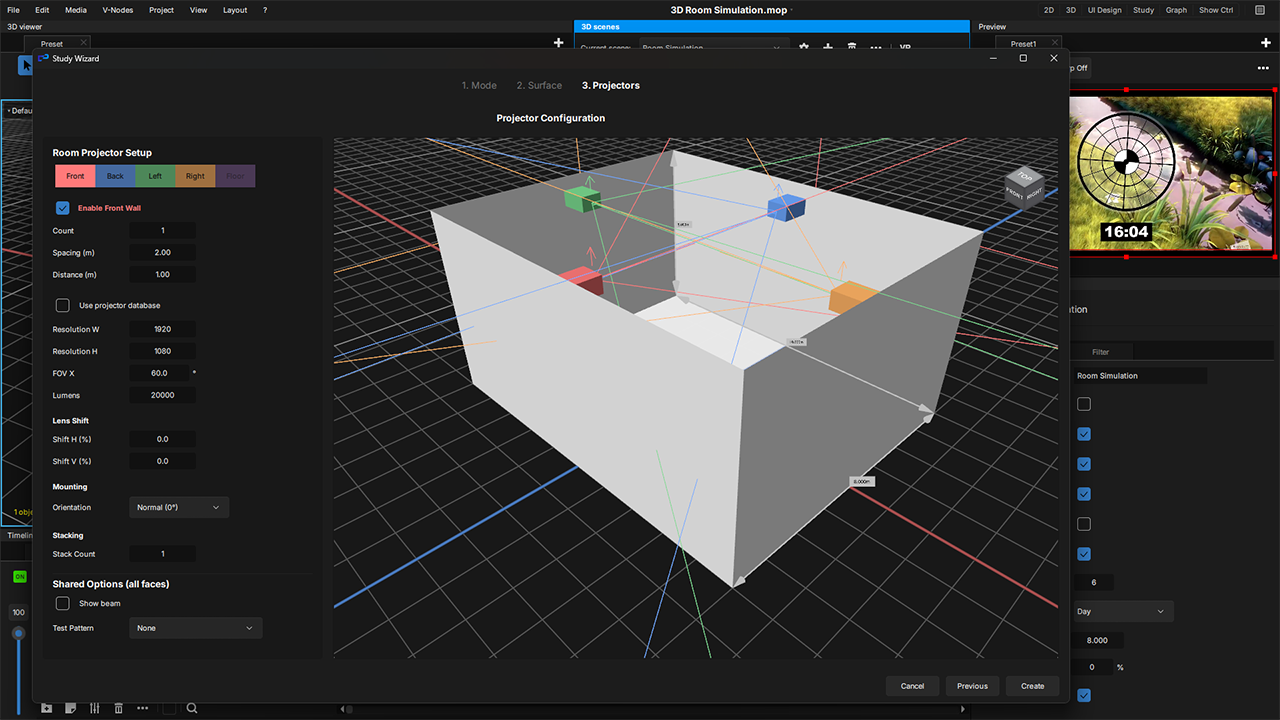
In the 3D study environment, a step-by-step setup wizard has been introduced alongside new navigation tools such as a gizmo and view cube, making scene manipulation more intuitive and accessible.
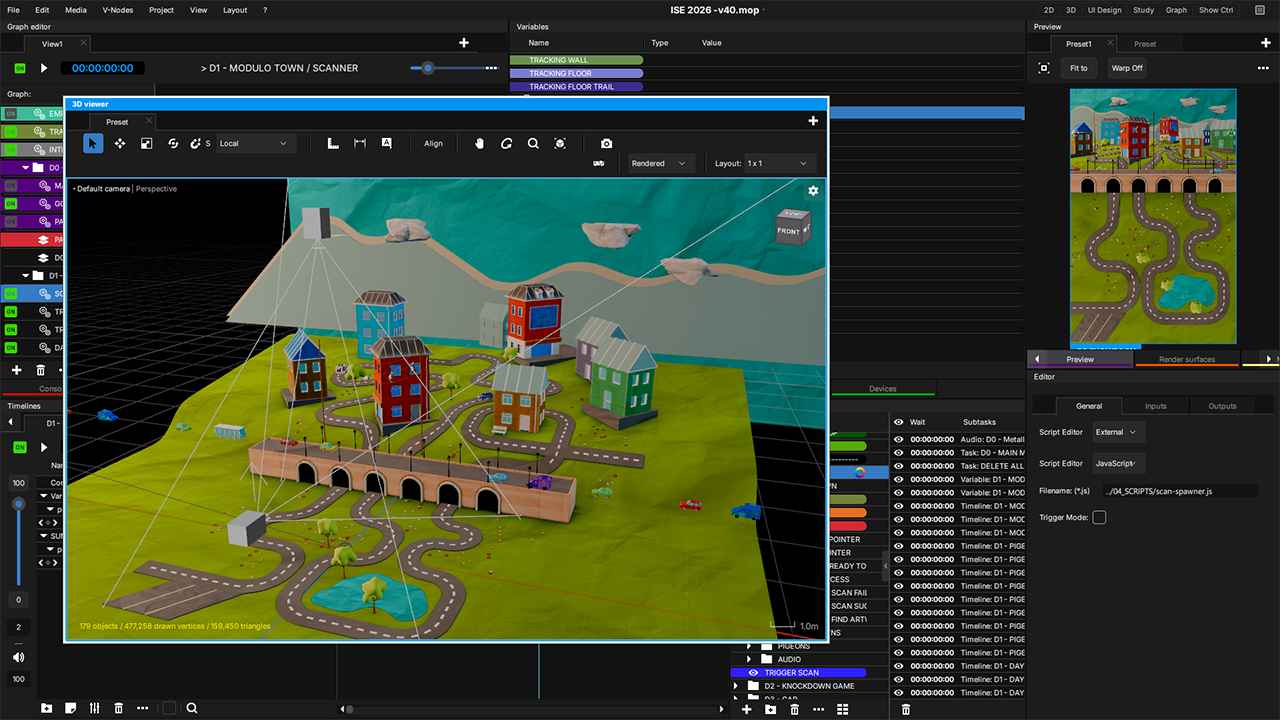
3D study capabilities are expanded with a new library of integrated prefabs including walls, floors, curves and domes, allowing users to build scenes directly within Modulo Kinetic without relying on external 3D software.
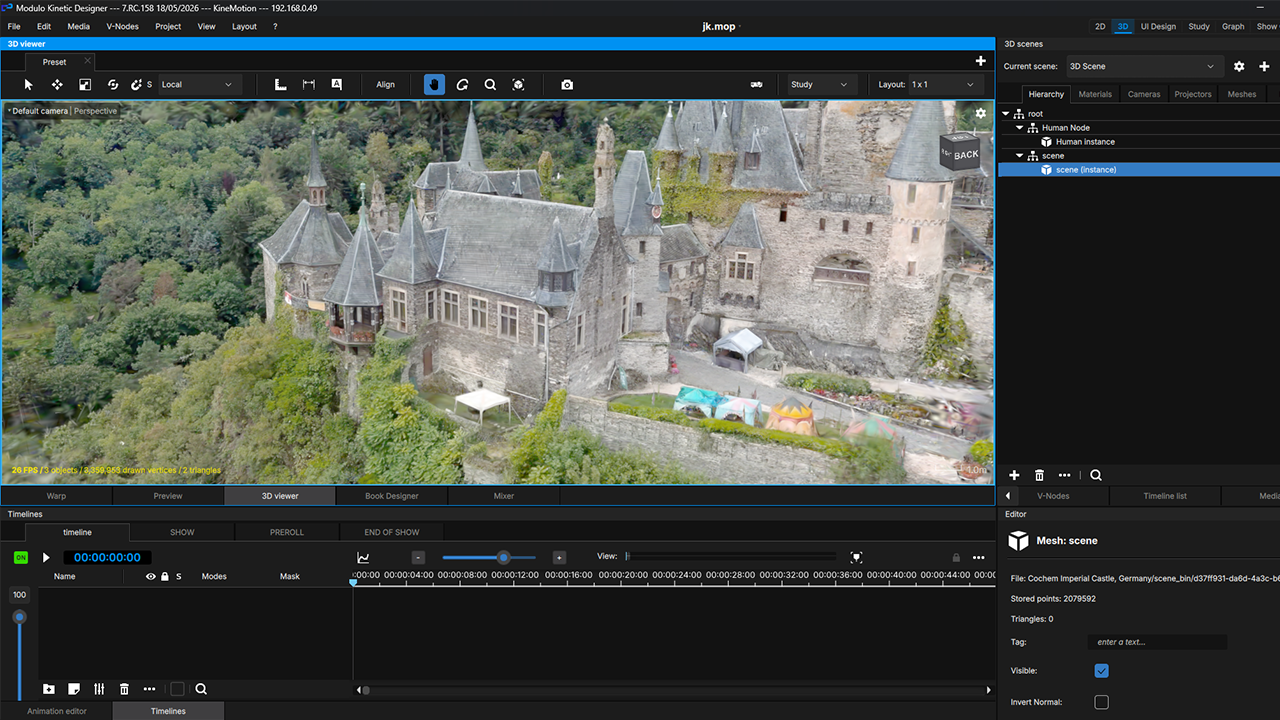
For more advanced projects, the media server now supports native import of major industry formats such as Cinema 4D and SketchUp, alongside enriched point cloud support (PLY, E57, LAS, LAZ), and Gaussian splatting visualization for photorealistic rendering.




Advanced 3D projection, LED study, and previsualization tools
Projection and LED workflows have been substantially enhanced.
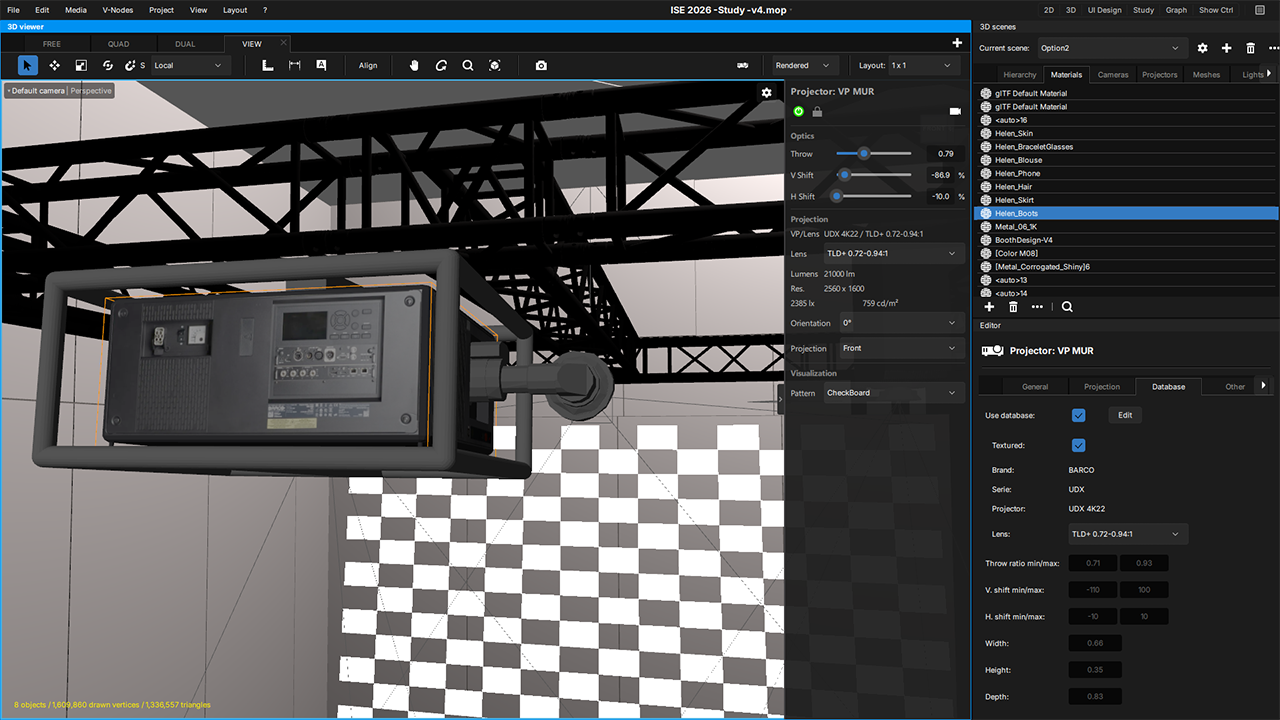
The projector database now includes over 800 projector models with detailed 3D representations, including lenses and frames, enabling highly accurate studies. A redesigned editor streamlines setup and introduces more direct 3D pre-warping, reducing preparation steps and improving efficiency.
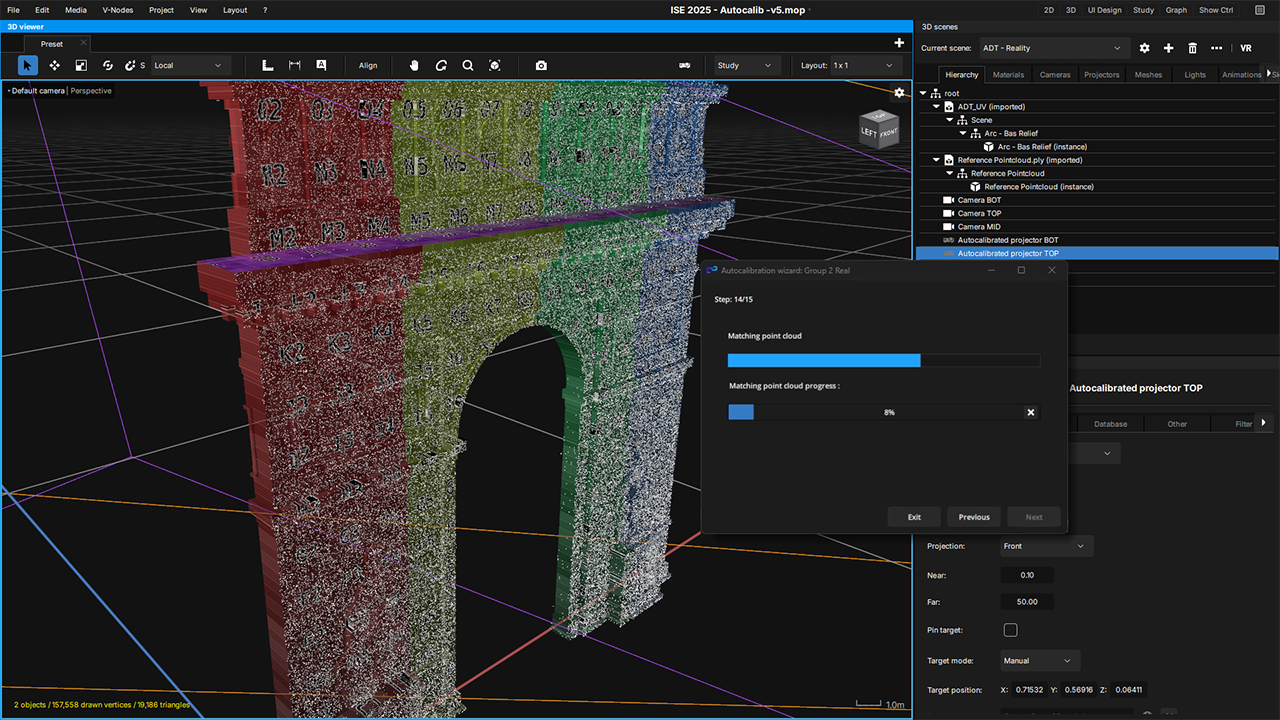
Moreover, a new optional 3D auto-calibration module enables pixel-perfect mapping on any surface, automating multi-projector blending and warping while saving considerable setup time compared to manual calibration.
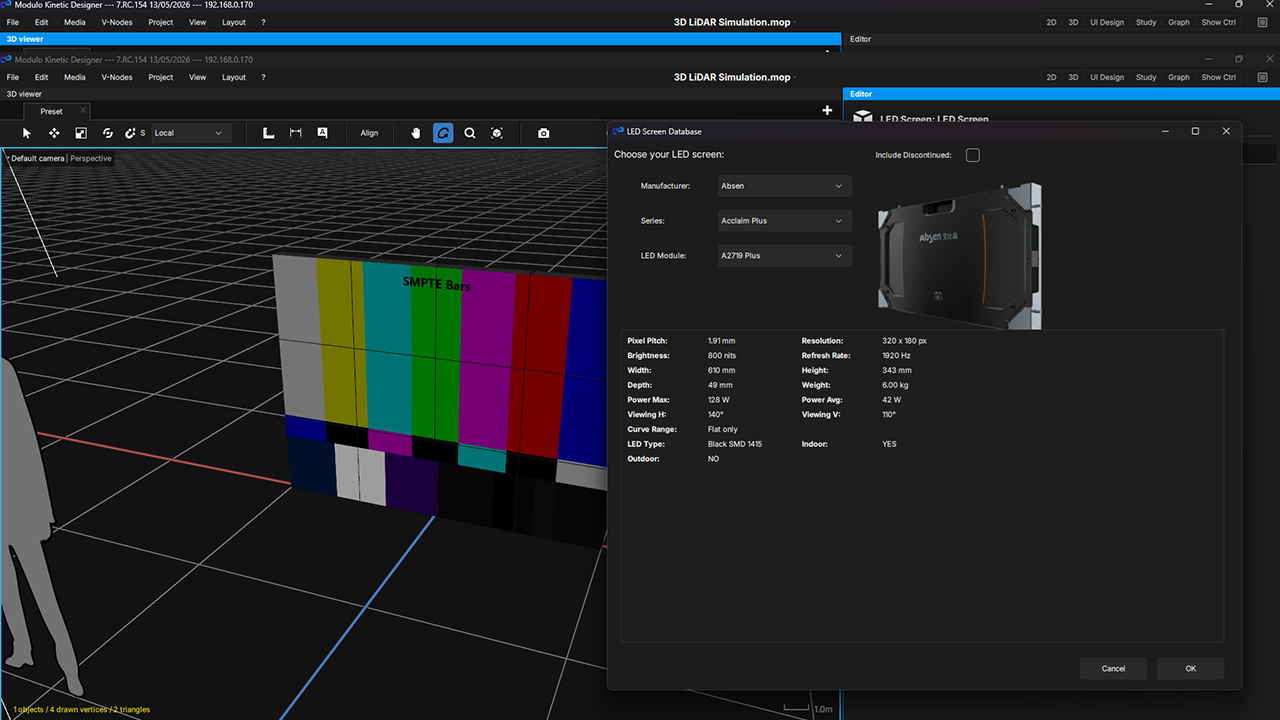
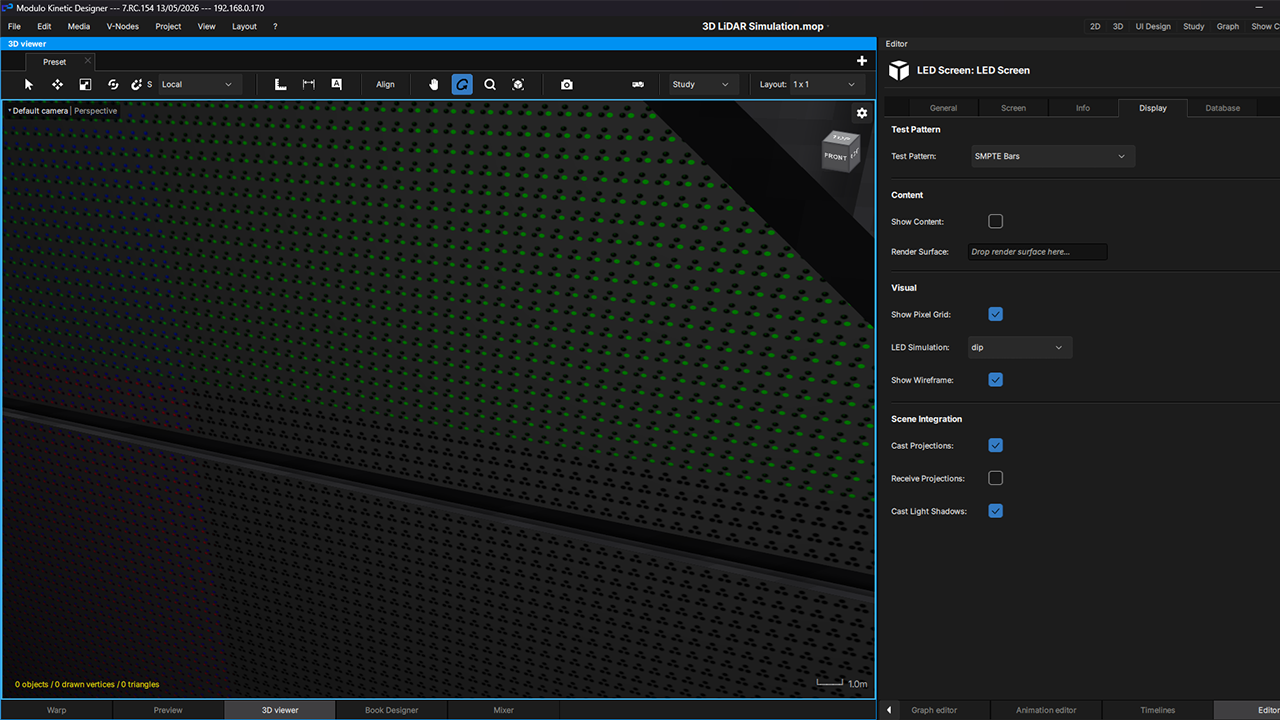
LED study and simulation are now available, supported by an integrated database of over 2,000 LED panel models from more than 60 manufacturers, including the industry’s most recognized brands. Users can now simulate real-world LED panels with accurate pitch representation.
Both projection and LED workflows benefit from new test patterns and an improved editing environment designed for faster iteration.
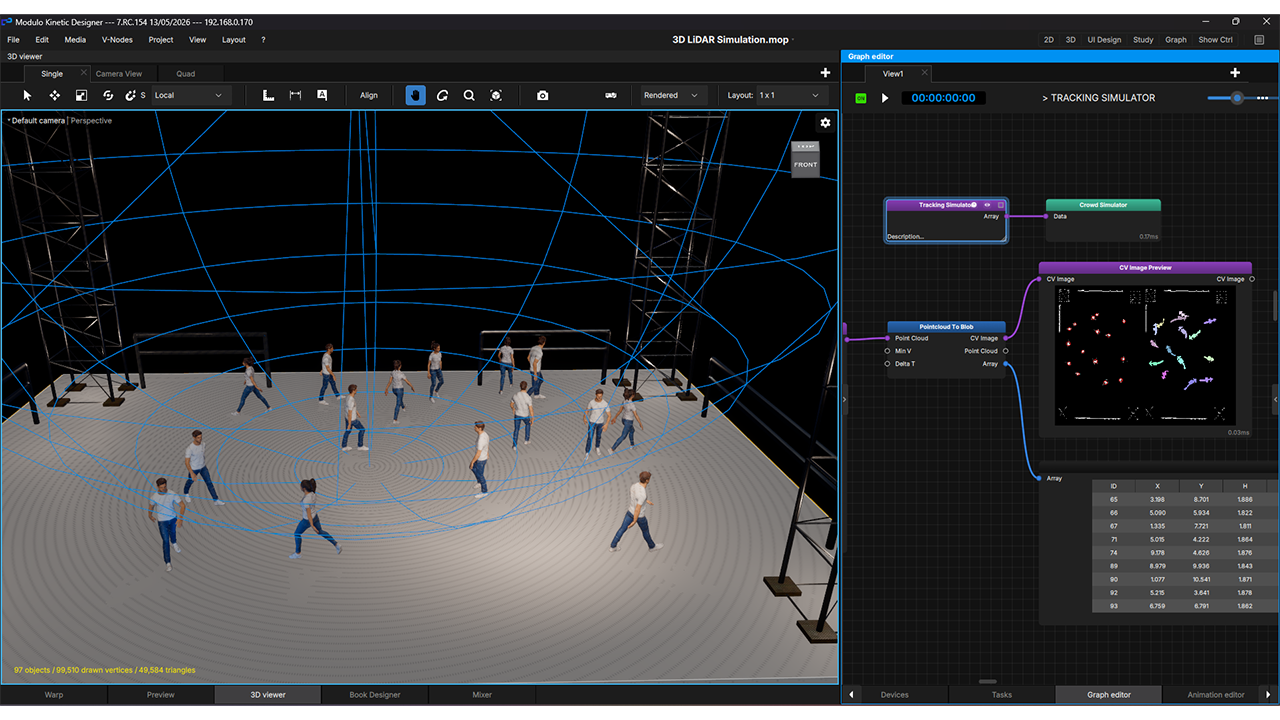
In addition, Modulo Kinetic V7 introduces 3D LiDAR simulation for interactive experiences, with support for sensors from Ouster, Orbbec or RoboSense. Users can visualize LiDAR coverage, beam emission and occlusions within 3D scenes, helping to define optimal sensor quantity and placement based on venue constraints and expected audience density.
A new tracking and crowd simulator further enhances this approach, enabling realistic simulation of audience movement with dozens of virtual participants. This allows show designers to test interactive behaviors, evaluate generative visual effects and validate content performance under real-world conditions, ahead of on-site installation.




Real-time processing and media management
Modulo Kinetic V7 adds support for additional professional formats, including HAP Q Alpha, HAP HDR and embedded audio playback.
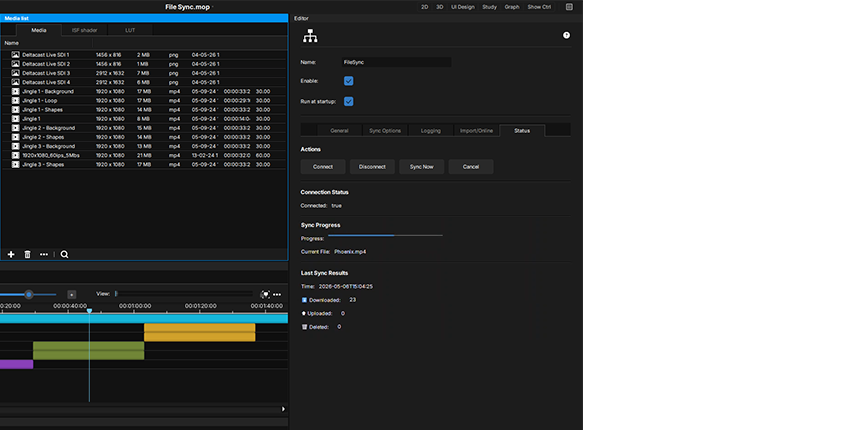
Media workflows are further enhanced with a new FileSync device, enabling direct connection to remote servers for automated media deployment.
In addition, a new content versioning system allows users to track, compare and manage multiple iterations of a project more efficiently.
Enhanced interactivity and real-time rendering
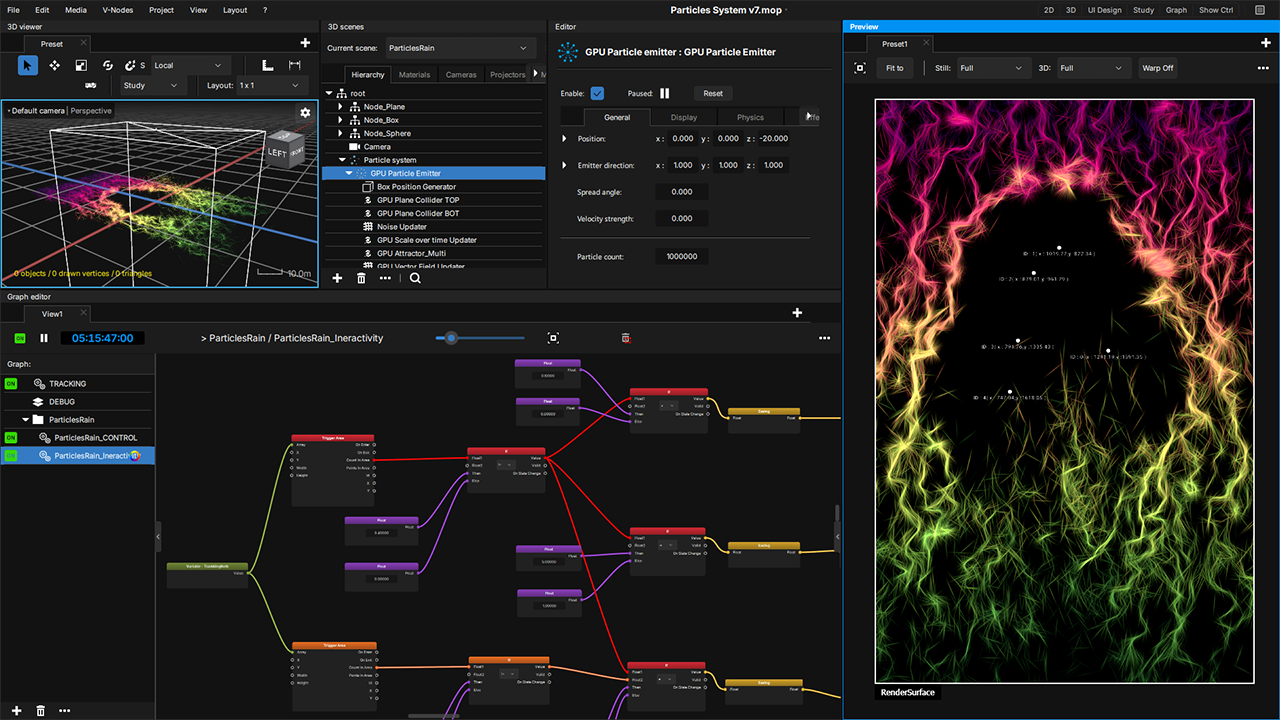
Version 7 expands interactive capabilities, introducing spatially triggered video playback, an improved particle engine, and enhanced rendering performance. A new multi-user particle system enables real-time generative behaviors that dynamically adapt to the number of active users.
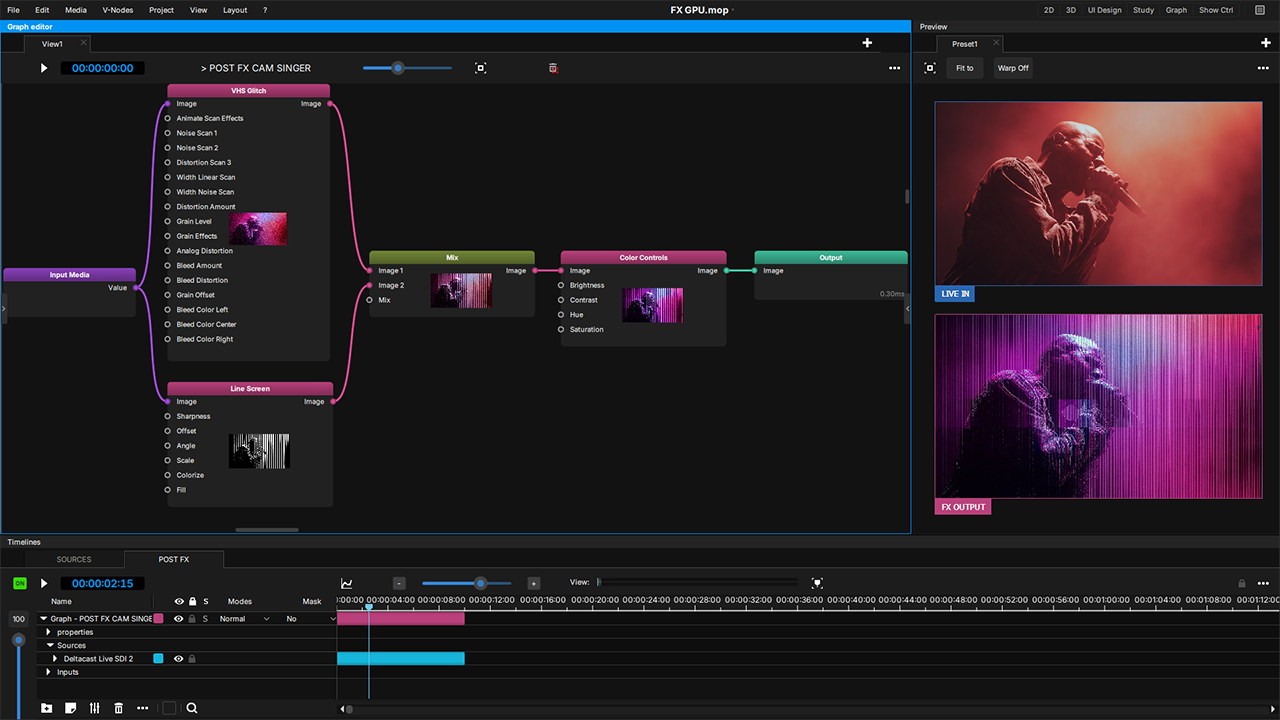
The node-based system has been upgraded with improved usability and new functional nodes, while GPU-based processing is extended with over 150 new zero-latency effects designed for real-time visual manipulation.
Support for Nexmosphere sensors further extends interactive possibilities.
Upgraded show control and system management
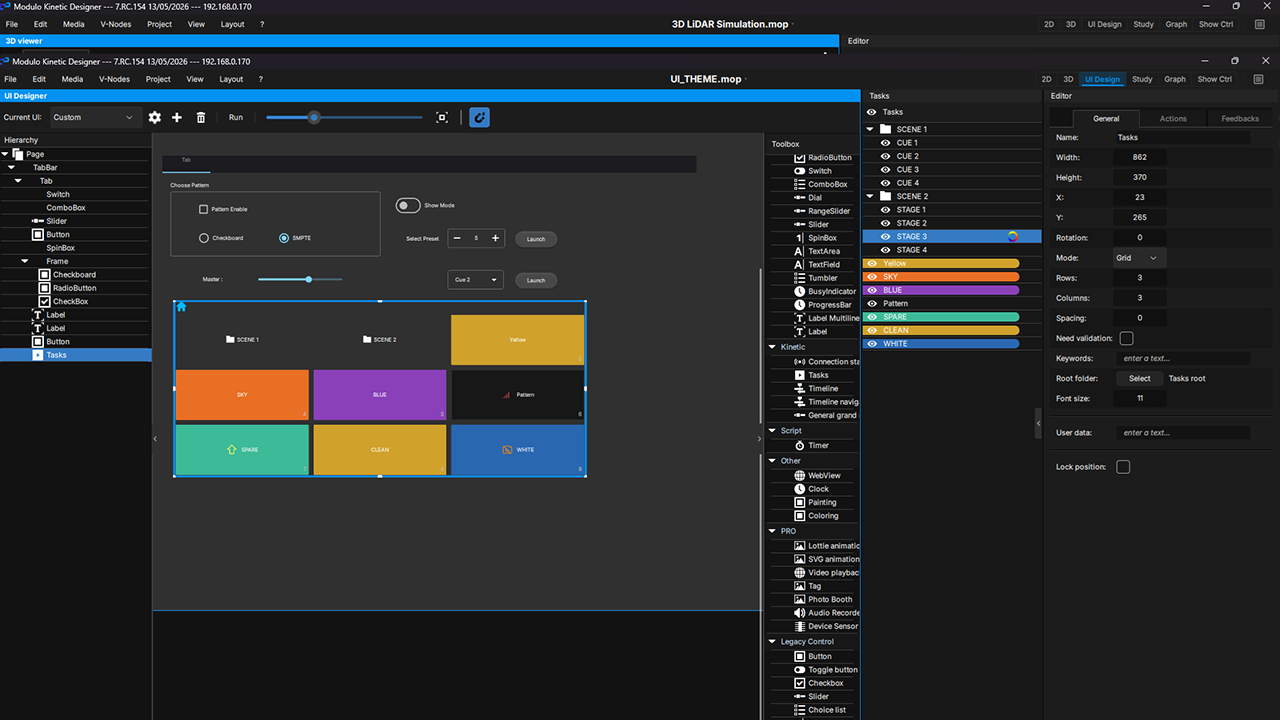
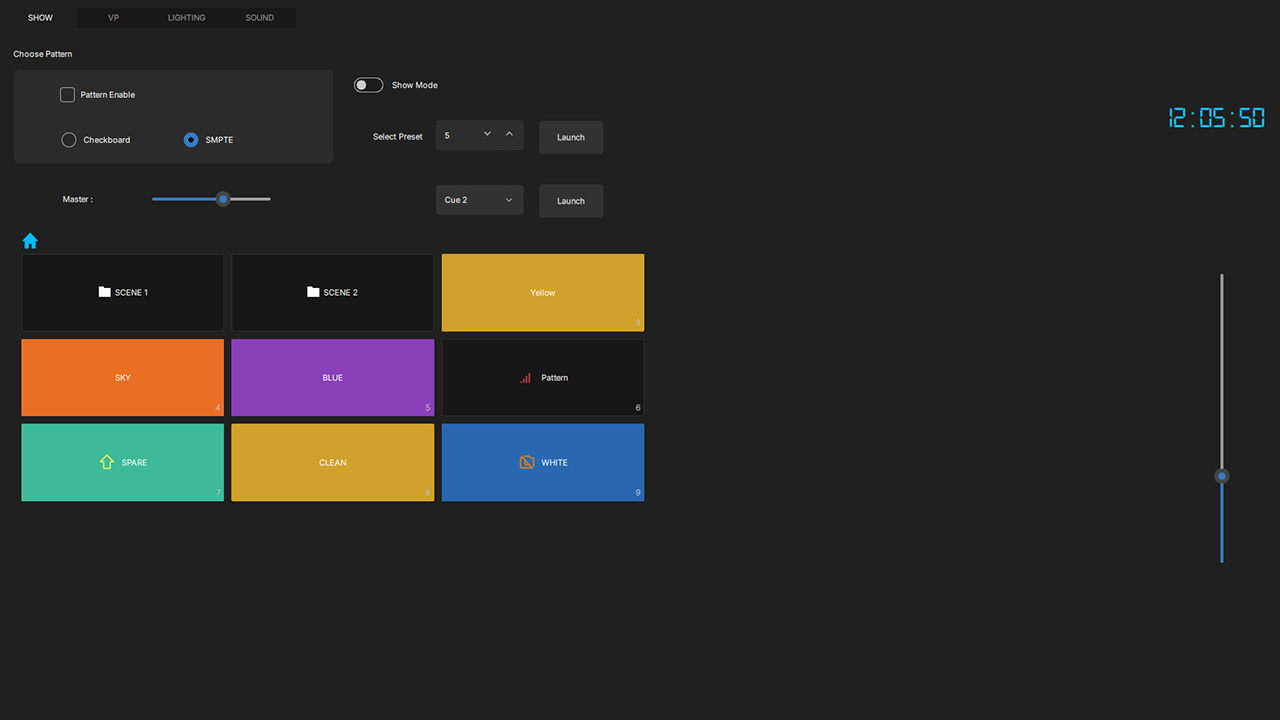
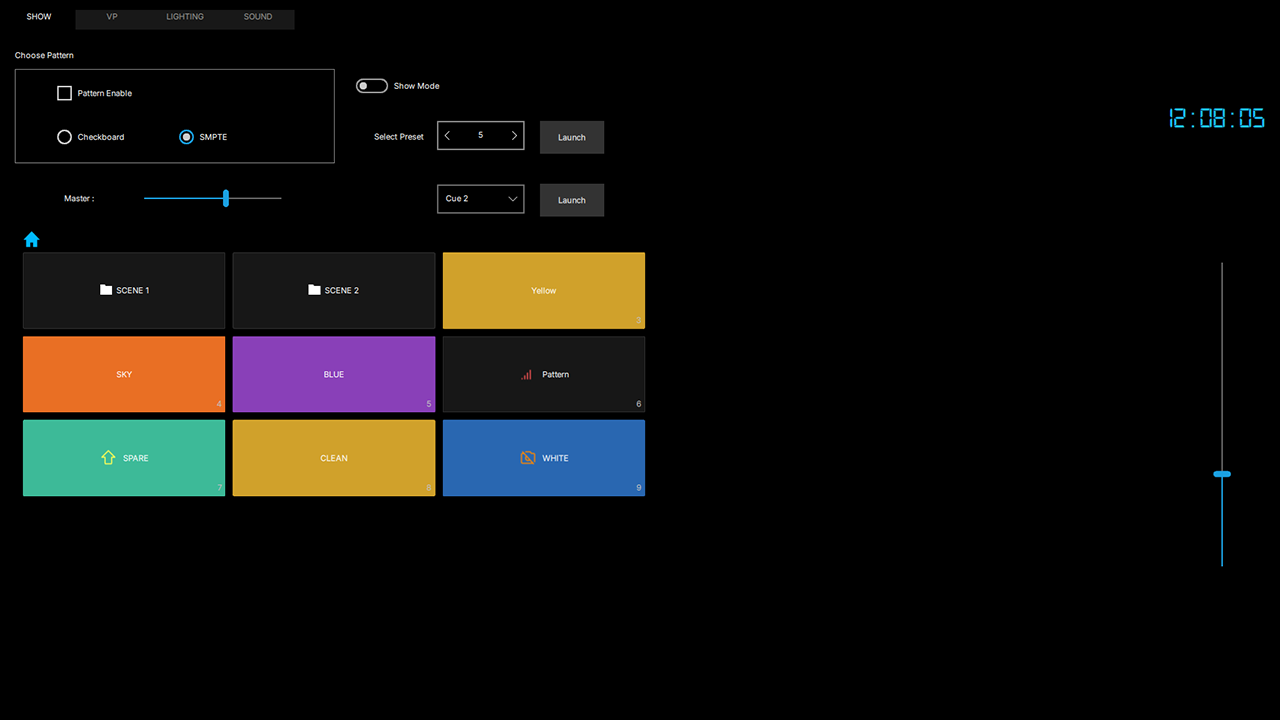
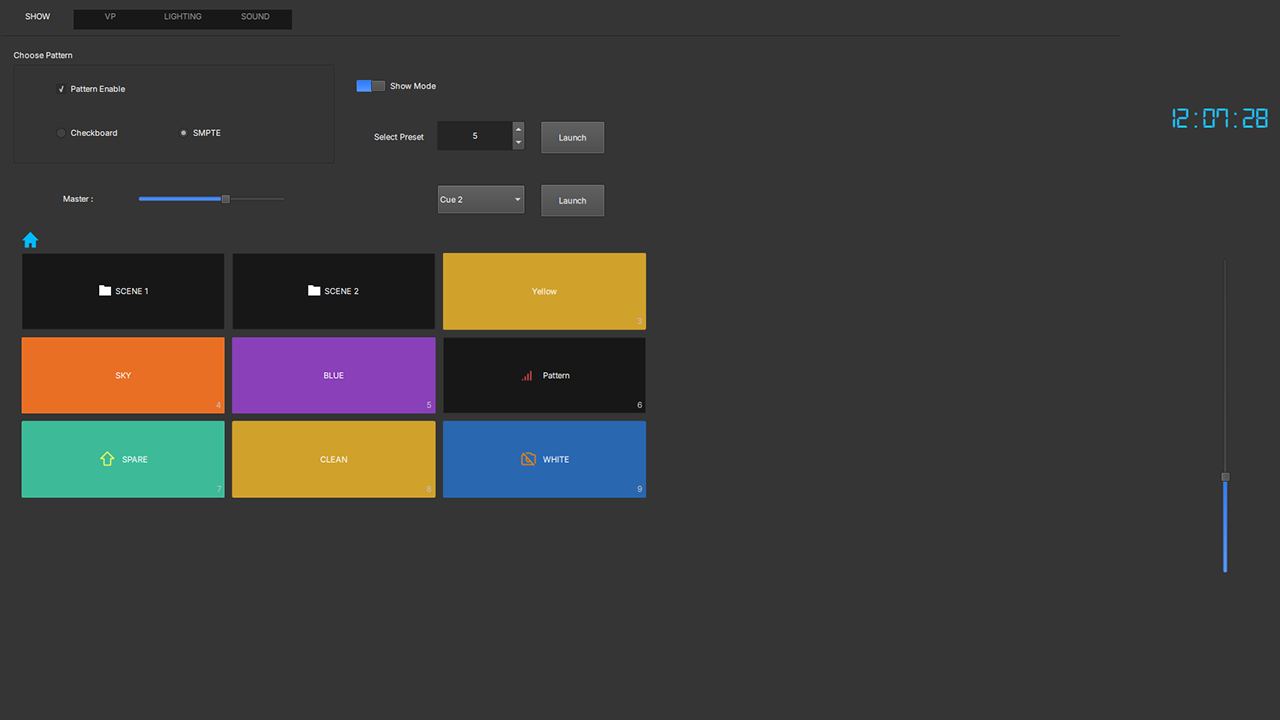
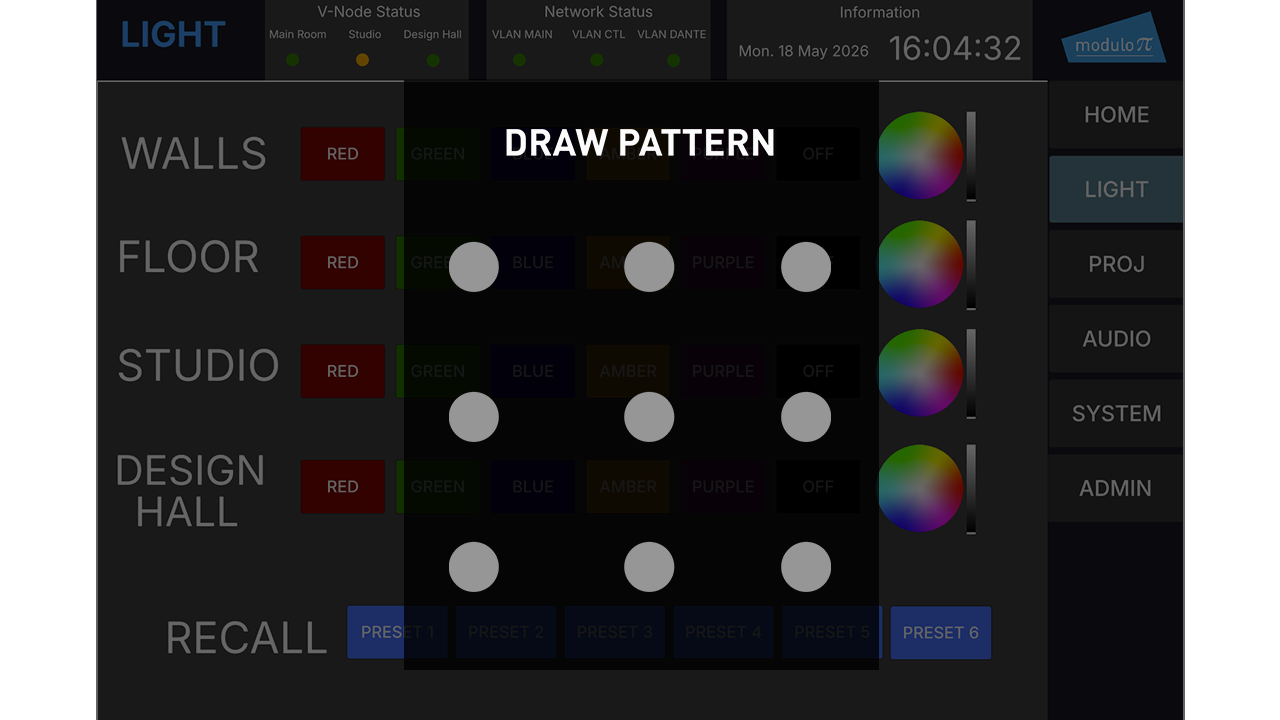
Modulo Kinetic’s embedded show control interface has been redesigned for improved usability and flexibility. The UI Designer now includes customizable themes, an icon library, and enhanced layout tools such as new container and text editors.
User management has been strengthened, with password protection, PIN-based access at panel and page level, and detailed logging for improved operational security.
Web-based panel support further increases accessibility for remote system control.
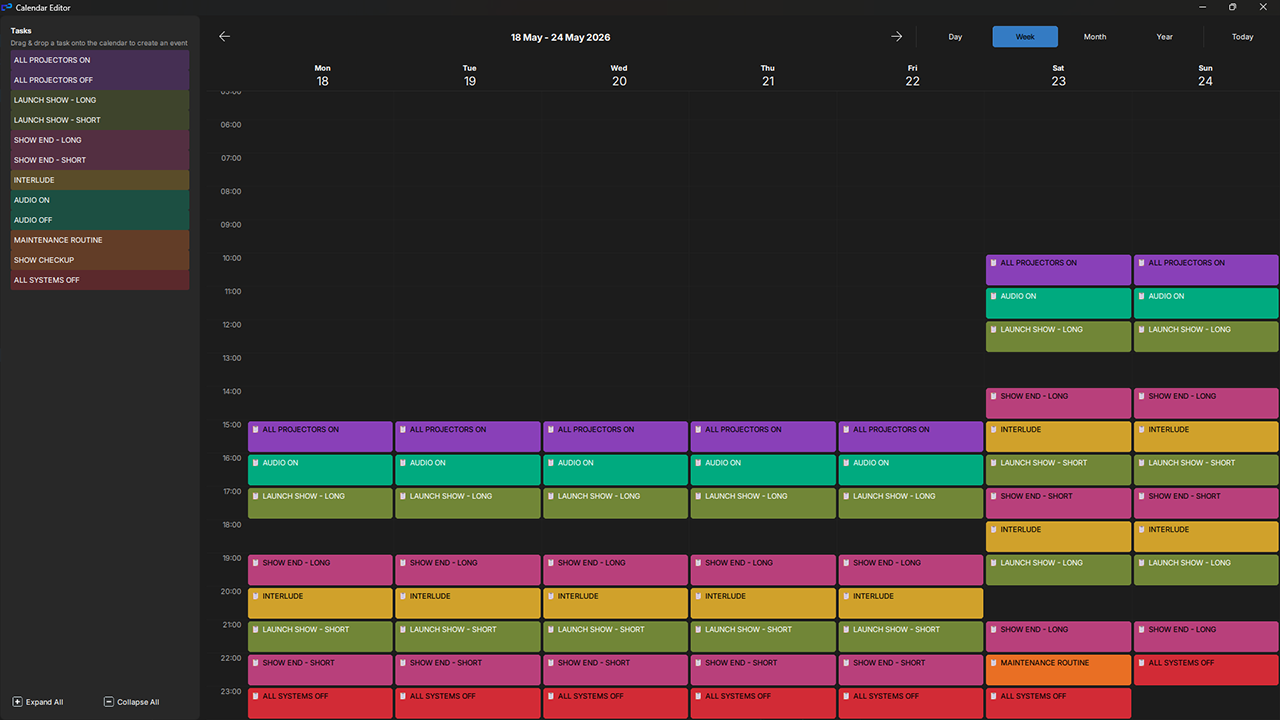
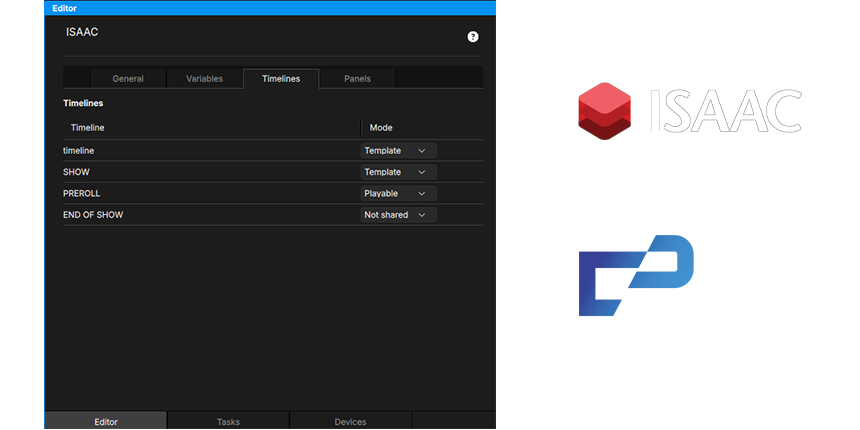
Finally, integration capabilities are further extended with support for ISAAC, a web-based AV system monitoring and control platform. This enables seamless communication and variable sharing, allowing users to manage media or update scheduling parameters in Modulo Kinetic directly from ISAAC, simplifying operations and content management.

USEFUL LINKS
→ Access Release Note
→ Download Modulo Kinetic Version 7